A signal to the elite: What the arrest of a Putin-connected businessman says about the Kremlin’s expectations
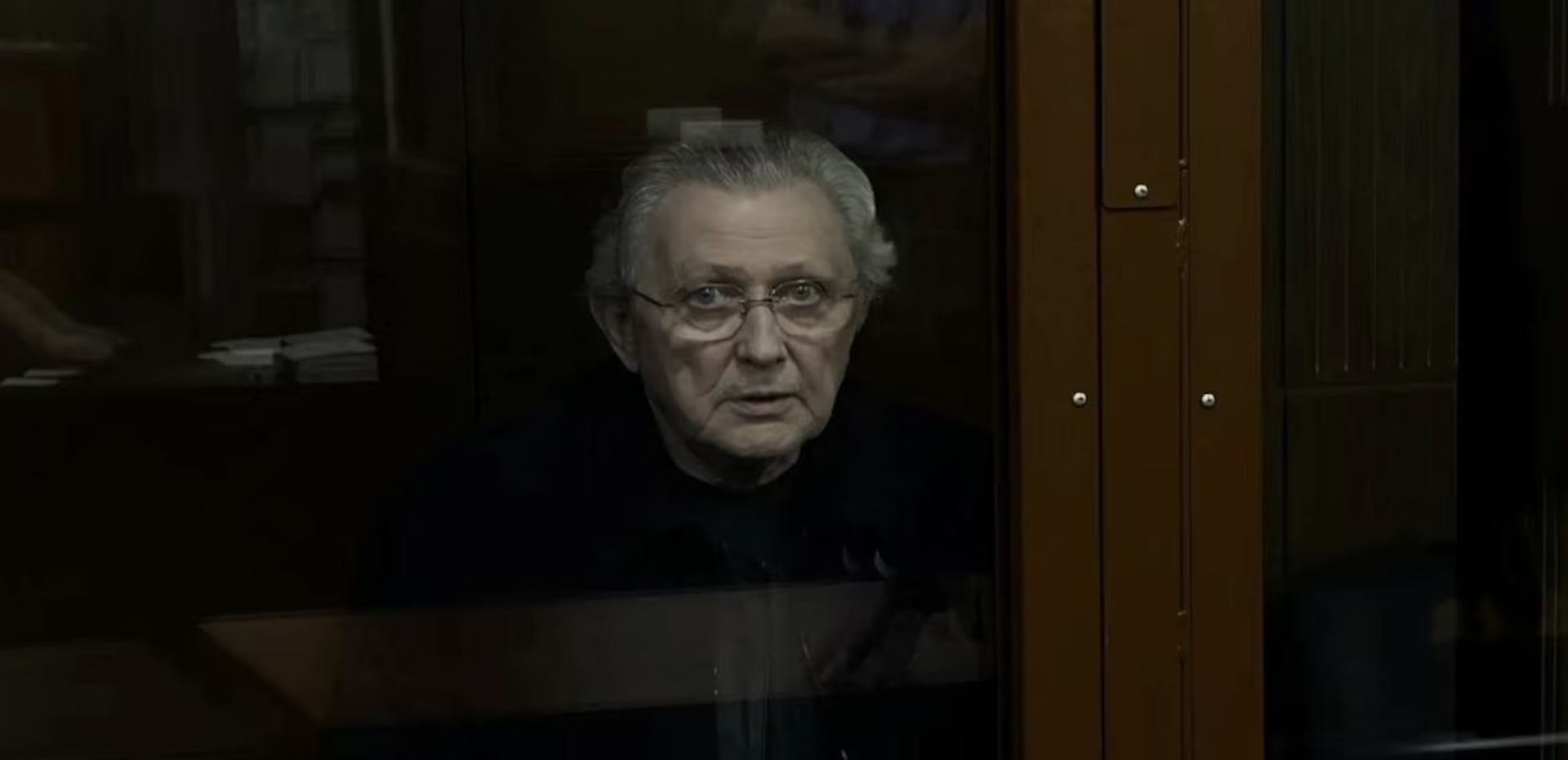
The arrest of the influential St Petersburg businessman Ilya Traber on 17 June 2026 sent an important signal to Russia's elites: membership of Putin's inner circle no longer guarantees immunity. Anyone who is not fully committed to Putin's war and who does not demonstrate sufficient loyalty is now at risk, even if they share a long personal history with Putin.
Ilya Traber, known in criminal circles as 'The Antiquarian', began building his business empire in St Petersburg in the early 1990s. His chain of antique shops enjoyed the support of Mayor Anatoly Sobchak and Deputy Mayor Vladimir Putin. Over time, Traber secured a monopoly over aircraft refuelling at Pulkovo Airport and gained control of the St Petersburg Oil Terminal, the largest oil transhipment hub at the time in the Baltic region. The relevant decrees were signed personally by Deputy Mayor Putin.
By the late 1990s, Traber had established control over the Port of St Petersburg. This was where several of Putin's current associates, including the future heads of Gazprom and Gazprom Neft, Alexei Miller and Alexander Dyukov, launched their careers. The same circle also included Nikolai Shamalov, the father of Kirill Shamalov, the former husband of Putin's daughter Katerina Tikhonova. Traber's arrest places these figures under pressure and weakens the positions of several key members of Putin's inner circle.
In the late 2010s, Traber acquired the electricity distribution company LOESK, enlarged harbours in Primorsk and Ust-Luga, and planned to build a large network of ports along the Northern Sea Route.
The arrest of such a prominent figure with direct ties to Putin does not have a single clear explanation. The Kremlin's real motives remain opaque. However, Traber's conduct in recent years had given it sufficient grounds for action.
First, there was his misuse of military funds. At the beginning of the full-scale invasion of Ukraine, Traber became chairman of the board of trustees of the 'Leningrad Frontier' foundation, which was established to support combatants. Of the 56 million roubles (US$625,000) raised, however, around one-third was transferred to commercial companies linked to Traber's associates. By the standards of Putin's inner circle, this was a very modest amount. However, in wartime, when the Kremlin is particularly sensitive to abuses in the defence sector, such a scheme amounts to an overt act of disloyalty.
Second, Traber's sale of his Russian assets, including LOESK and the terminal at Ust-Luga, combined with his European citizenship and long history of living abroad, created an unambiguous picture: he was preparing to emigrate. By the Kremlin's current standards, in which elites are expected to remain firmly tied to Russia, this could have been interpreted as a betrayal.
Third, Ukrainian drones struck the St Petersburg Oil Terminal on the opening day of the St Petersburg International Economic Forum, Putin's most important annual showcase event. Although Traber had sold the terminal long ago, investigative reporting indicates that he retained de facto influence over it. Within the framework of Putin's informal system of personal relationships, whereby individuals remain personally responsible for their assets, the strike on the terminal could have been held against Traber.
On the whole, Traber's arrest should be understood primarily as a signal to the rest of Putin's elite: the former unwritten guarantees of immunity no longer apply. As the war drags on, the Kremlin is preparing the ground for the full mobilisation of the elite. Insufficient demonstrations of loyalty, the withdrawal of capital, or the misuse of military budgets can provoke the system to destroy even its oldest friends.