Changes to methodology stop the decline in Putin’s approval ratings
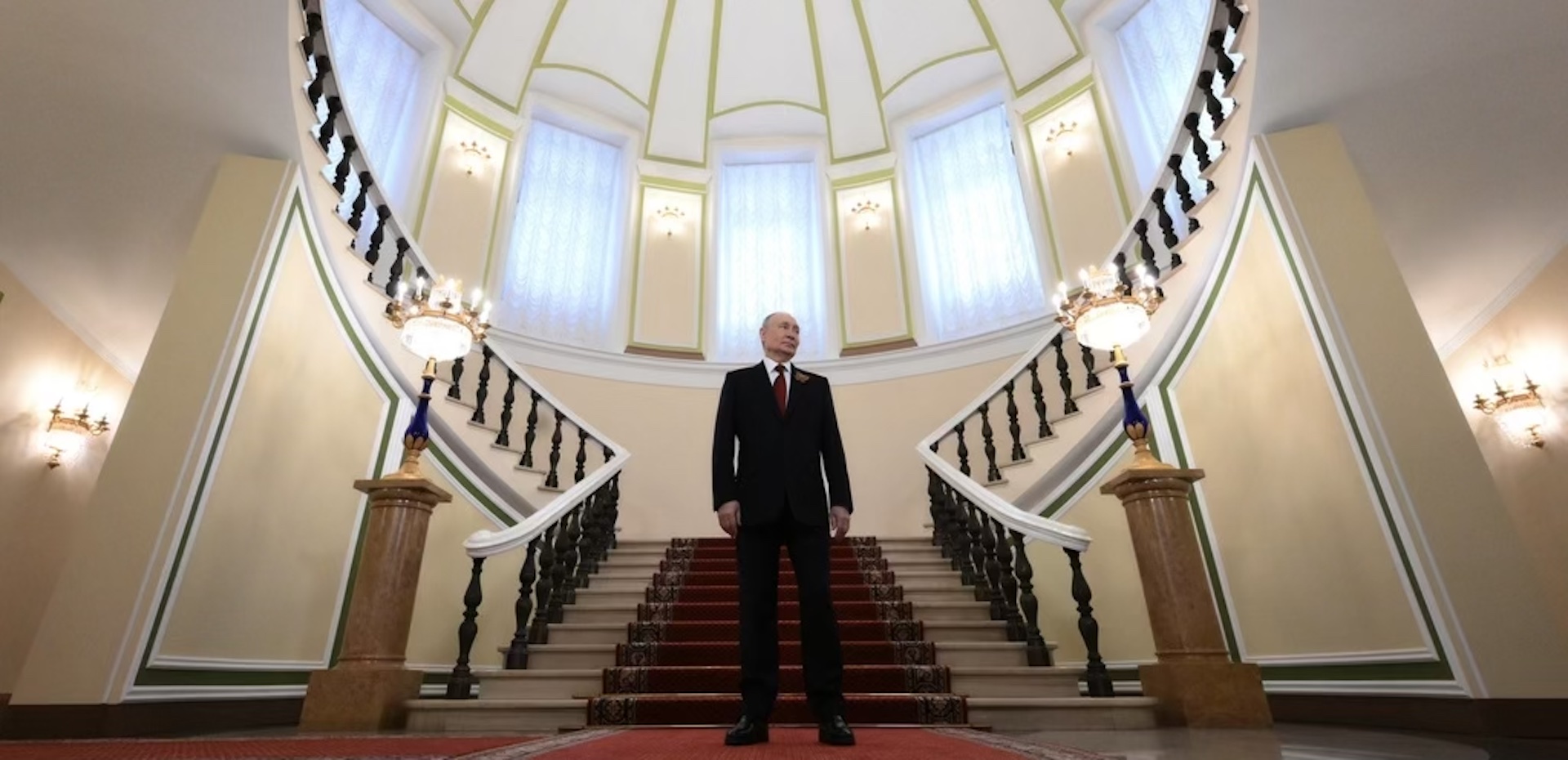
The prolonged decline in Vladimir Putin’s approval ratings has suddenly halted following changes to the polling methodology used by Russia’s largest government-controlled sociological surveys. At the same time, indirect indicators suggest that Russians are becoming increasingly dissatisfied with both the authorities and recent developments in the country.
Throughout March and April 2026, the state-run Russian Public Opinion Research Center (VCIOM) and the Kremlin-linked Public Opinion Foundation (FOM) recorded a steady decline in the president’s ratings. According to VCIOM data, between February and April, Putin’s approval rating fell from 74 per cent to 65.6 per cent, while trust in him declined from 78 per cent to 71 per cent over the same period. Both indicators reached their lowest level since the start of the war in Ukraine. At the end of April, both polling organisations suspended publication of their data.
After the pause, VCIOM’s ratings began to rise: Putin’s approval rating reached 66.8 per cent (+1.2 percentage points), while trust in him rose to 72.1 per cent (+1.1 percentage points). VCIOM attributed the increase to a change in methodology: door-to-door interviews were used alongside telephone surveys. This format traditionally produces a higher level of support for Putin, since the participants are mainly people who stay at home during working hours, who tend to be more supportive of the government. In addition, respondents tend to give more cautious answers in face-to-face interactions than in telephone conversations. FOM did not officially announce a methodological change, but the dynamics of its indicators were similar.
At the same time, other indicators suggest that the trend towards growing public dissatisfaction persists. According to Levada Centre data for April 2026, the share of citizens who believe that the country is moving ‘in the wrong direction’ rose to 28 per cent – an increase of 11 percentage points compared with September 2025.
‘Do you believe that, overall, the country is currently moving in the right direction, or does it seem to you that the country is moving in the wrong direction?’
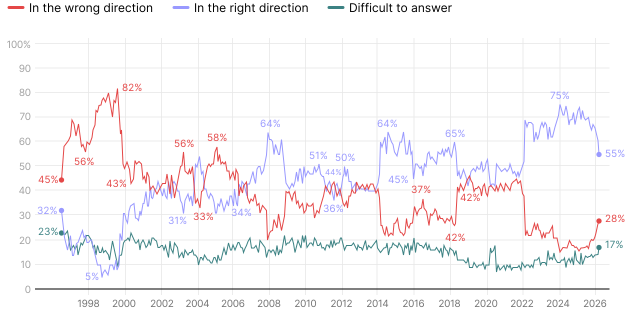
Source: Levada Center
Similar data were also recorded by VCIOM. While in March 2026, 41 per cent of respondents said that the country was moving in the right direction, by April, this figure had fallen to 33 per cent.
At the same time, according to FOM data, the number of people expecting an improvement in living standards over the next six to twelve months declined from 28 per cent in March 2026 to 21 per cent in April. VCIOM surveys on expectations for the coming year also showed negative dynamics, with the index for optimism about quality of life falling from 36 points in January 2026 to 28 points in April.
If VCIOM and FOM continue to manipulate polling results, it will demonstrate that the authorities are becoming increasingly unwilling to acknowledge negative trends publicly. This creates additional risks for the regime: by blinding itself to the reality of public opinion, it will lose one of its last remaining channels of feedback from society.