Putin can wait: Why peace talks are unlikely to end the war anytime soon
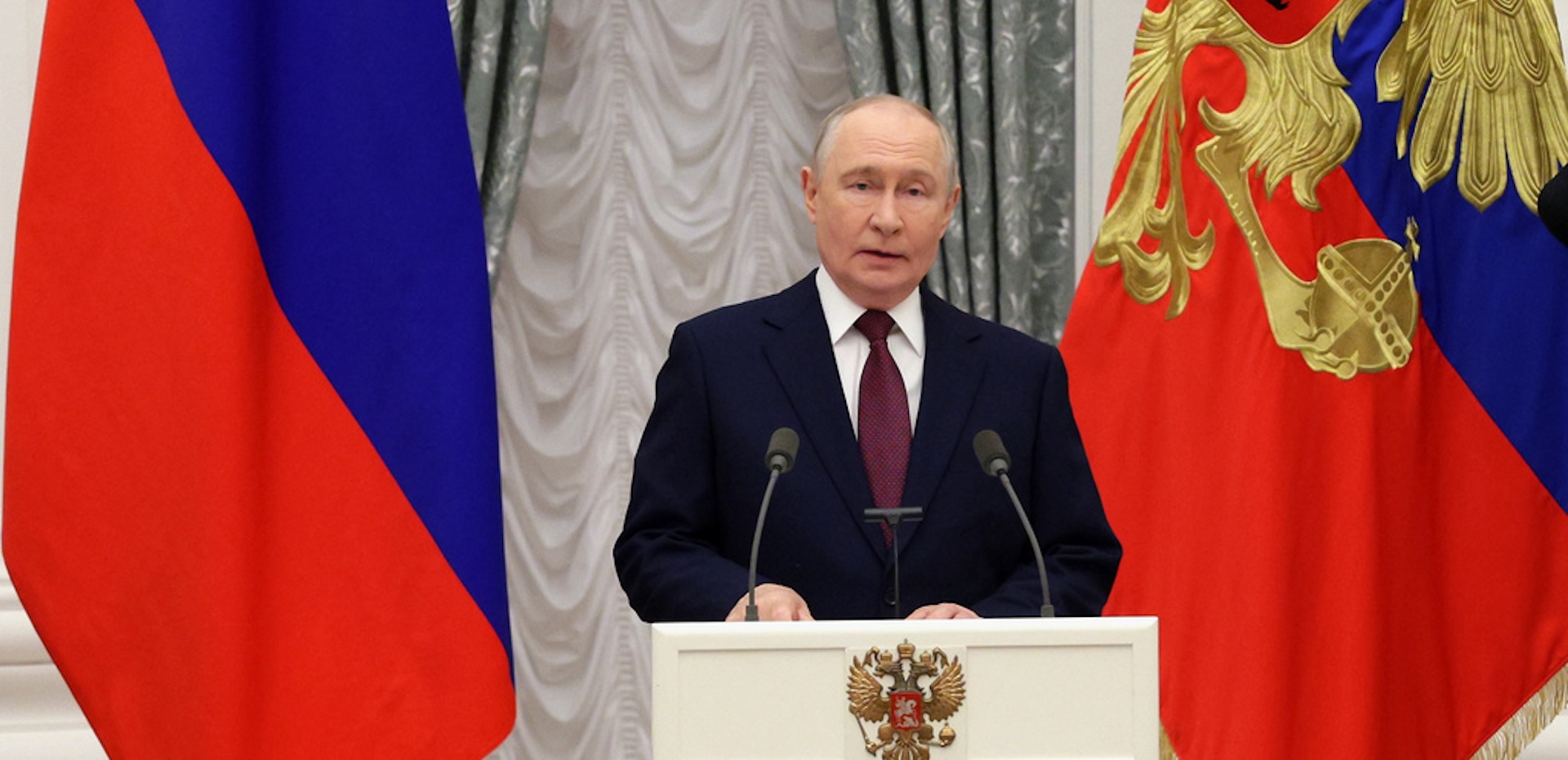
On 27 October, Vladimir Putin spoke by phone with Finland’s President Alexander Stubb and Norway’s Prime Minister Jonas Gahr Støre. On the same day, a local ceasefire began in the Kherson region, while Russia and Ukraine resumed discussions about possible talks in Abu Dhabi. Yet the revival of diplomatic contacts does not mean that peace is drawing closer. The Kremlin is counting on the winter military campaign and political changes in Europe to secure more favourable negotiating terms. As long as these expectations persist, Moscow will keep talking without rushing to end the war.
Concerned that Donald Trump and Vladimir Putin could decide the future of European security by themselves, European countries have begun searching for a representative to engage directly with Moscow. But the effort is complicated by the lack of a common position and by disagreements over what should be on the agenda and who should lead the talks.
After the call by Stubb and Støre, the Kremlin reiterated that it had no need for European intermediaries. Yuri Ushakov, a Kremlin aide, went further, saying that Europeans were free to travel to Abu Dhabi ‘if they buy tickets’, but would not be allowed to join the talks.
This dismissive stance reflects the Kremlin’s underestimation of Europe’s willingness to defend its interests and its ability to act independently beyond its support for Ukraine. By contrast, European countries and their foreign policy partners recognise that without forming a united front, Europe risks not only being excluded from the negotiations but also, like Ukraine, seeing its interests sacrificed to secure a deal.
Donald Trump’s renewed focus on Ukraine has prompted a fresh round of diplomacy. Moscow, Kyiv, and European governments are all trying to avoid a clash with the US president by showing a willingness to talk. But a resumption of negotiations does not mean that the war is any closer to ending.
Moscow calculates that Trump could soon turn his attention away from Ukraine if he resumes military action against Iran, making the current wave of diplomatic activity short-lived. Still, it hopes to use this window of opportunity to secure concessions, whether by offering lucrative business deals in exchange for the relaxation of US sanctions and the scaling back of military and intelligence support for Ukraine.
Yet Moscow is unlikely to seek a final deal on Ukraine before the end of spring 2027. It is betting that two developments could strengthen its negotiating position in the meantime.
First, the Kremlin hopes that its winter offensive, including sustained strikes on Ukraine’s energy infrastructure, will weaken Kyiv’s ability to resist Russian demands.
Second, Moscow is looking to next year’s national elections in Europe, particularly the presidential race in France. Putin believes that a victory for the far-right National Rally will shift French policy on Russia and Ukraine, weakening EU unity on sanctions and military support for Kyiv.
With both possibilities still in play, the Kremlin has little incentive to moderate its demands. Putin appears willing to absorb the mounting economic costs of the war, expecting Russia to hold its ground militarily while its political leverage improves.