The asymmetry trap: Why Moscow and Kyiv cannot agree on an ‘energy truce’
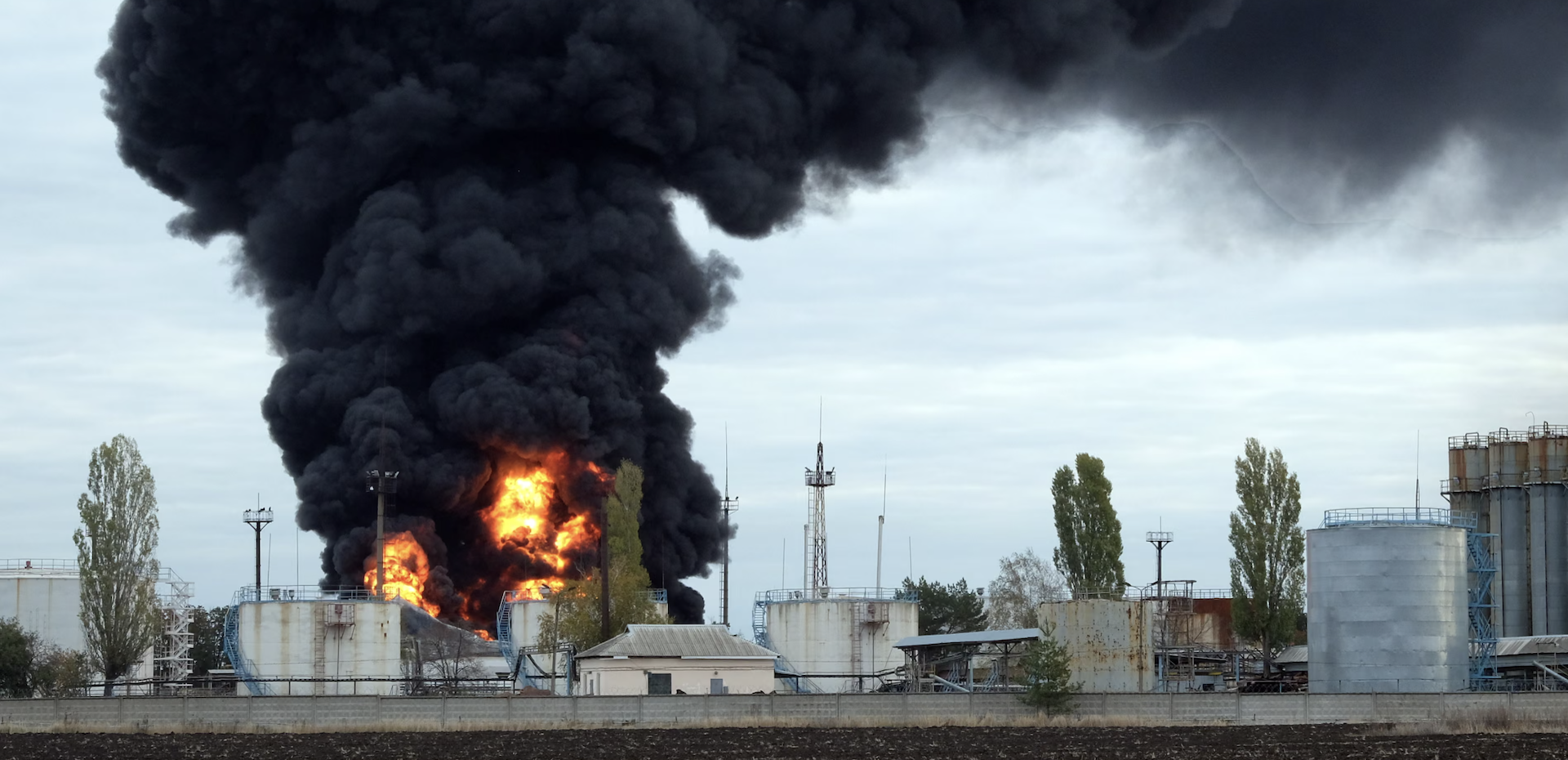
Statements by Russia and Ukraine about their willingness to limit strikes on infrastructure look set to remain only words. The main problem is the asymmetry of threats and interests: both sides seek to achieve maximum gains while making minimal concessions, so the likelihood of a substantive agreement remains low.
On 14 September, Donald Trump unexpectedly announced that Moscow and Kyiv had agreed to halt strikes on energy facilities amid rising global fuel prices. However, neither side confirmed this. The Kremlin called the initiative ‘a very good idea’, but immediately set conditions, including not only an end to strikes on oil refineries in Russia, but guarantees of safety for tankers and the lifting of restrictions on their movement. Yet on the night of 15 September, Ukrainian drones attacked an oil refinery in Russia’s Samara region, while Russian forces struck petrol stations in Kyiv, demonstrating that this ‘deal’ was not viable.
The issue of an energy ceasefire also became a central topic on the sidelines of last week’s UN General Assembly in New York. At a meeting with Trump, Volodymyr Zelenskyy confirmed Ukraine’s readiness to refrain from attacks on Russian energy infrastructure, but only on the basis of reciprocity and with firm guarantees from partner countries. With colder weather approaching, the Ukrainian president is attempting to trade the security of Russian oil refineries for the protection of Ukraine’s energy system and fuel logistics during the winter.
For Moscow, such a deal is possible now if Western countries stop blocking Russia’s shadow fleet, or, closer to winter, if renewed strikes on oil refineries deepen Russia’s fuel crisis to the point where the authorities need a respite to alleviate it.
‘This proposal appears more advantageous for Ukraine than it does for Russia. Despite the fuel shortage, Putin is under the illusion that if he completely destroys Ukraine’s energy system during the winter, Ukraine will no longer be able to launch drones against Russia. He is counting on this, and it is an important strategic instrument of the war for him. He does not want to trade it simply for the security of oil refineries.’

Vladimir Pastukhov
Research Director
At the same time, Russia is facing mounting problems as a result of regular attacks on ports in the Baltic and Black Seas. Ukrainian strikes have repeatedly disrupted shipments of oil products and grain, causing serious adverse effects for Russia’s exports. This is why the Kremlin is seeking not only to protect its oil refineries, but also to halt strikes on maritime terminals and to compel Europe to lift its restrictions on the passage of vessels belonging to the ‘shadow fleet’. However, by combining a set of demands that are virtually impossible to meet, Moscow risks blocking negotiations altogether.
What we may be seeing is Moscow separating limited, transactional agreements from negotiations on ending the war. But willingness to make a deal in these areas does not automatically mean willingness to compromise on the fundamental issues of the war. The real test is whether these smaller deals become stepping stones towards a political settlement, or simply allow Moscow to reduce some of the costs of the war while leaving its underlying objectives unchanged.

Katia Glod
Deputy Head of Foreign Policy
The result is a deadlock caused by an asymmetry of interests. As long as Moscow and Kyiv seek to gain both a diplomatic and a military advantage while making minimal concessions, and remain unwilling to take serious steps towards a meaningful agreement, negotiations will merely be a means of exerting public pressure, while in practice both sides will continue to choose escalation. The United States and China remain the only powers capable of compelling the parties to de-escalate. However, a year and a half into his second term, Trump’s considerable efforts to broker an end to the war have not borne fruit. Beijing, meanwhile, still shows no desire to put itself forward as a peacemaker..
Speaking at the UN General Assembly, Trump said that the United States was continuing its efforts to reach a peace deal, but avoided specifics. Referring to the recent legislation which gives the US President broad powers to impose high tariffs on importers of Russian oil and gas, Trump stated that he would use it only ‘if necessary’. However, the legislation is unlikely to be used, for example, against China, the largest buyer of Russian oil.
Keeping the US engaged in peace talks remains important for Putin as a means to exert pressure on Ukraine and its European partners and to lay the groundwork for an eventual peace settlement.

John Lough
Head of Foreign Policy