The language of force: Why Putin sees Western diplomacy as weakness
Speaking at the Eastern Economic Forum in Vladivostok on 3 September, Vladimir Putin called Ukraine’s European allies ‘accomplices in international terrorism’ and showed a clear reluctance to negotiate with them. This disregard for European countries partly reflects the Kremlin’s view that European leaders are weak since they are unwilling to respond in kind to Russian escalation. This only encourages the Kremlin to escalate further in search of deeper compromises by Europe.
The day before Putin’s speech, Germany formally accused Russia of preparing an act of sabotage on German territory, after an explosive device was discovered at Leipzig Airport in August. Such a direct accusation against Russia is unprecedented for Berlin. In response, Germany has imposed restrictions on tourist visas for Russian citizens, and has closed the ‘Russian House’ in Berlin and the Russian Consulate General in Bonn. The Kremlin will see this as another hesitant response by the German authorities to its campaign of hybrid operations. These steps on their own are unlikely to strengthen Germany’s security: agents recruited by Russia often turn out to be EU citizens or citizens of third countries.
Such a response only reinforces the Kremlin’s confidence that direct dialogue with European leaders has little practical value for now. Moscow expects that sabotage actions, cyber attacks and other forms of escalation will serve to intimidate European governments and persuade European voters that resisting Russia is pointless and that its interests must be accommodated in a peace settlement. This is already the position of several right-wing parties in Europe, including the Alternative for Germany (AfD).
At the same time, the United States is once again seeking to negotiate with the Kremlin, even after Russia reportedly provided Iran with intelligence to enable it to strike US forces in the Middle East. According to one account, CIA Director John Ratcliffe travelled to Moscow in August partly to warn the Kremlin against assisting Tehran. For Putin, however, this visit further confirmed that the US prefers diplomacy to taking action of the kind that would enable it to speak to Russia from a position of strength.
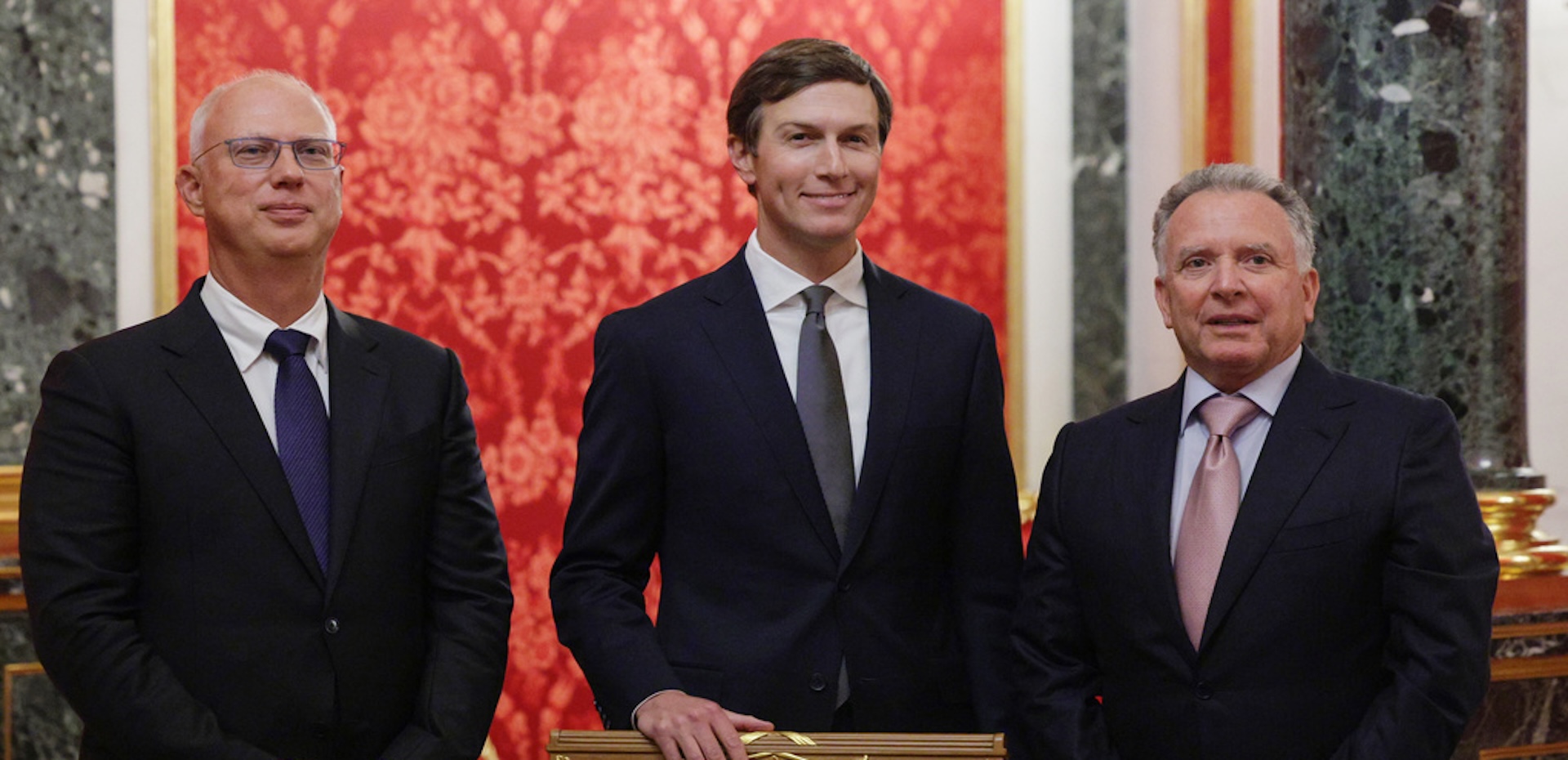
The visit to Moscow on Saturday by Donald Trump’s special envoys, Steve Witkoff and Jared Kushner, followed the same approach. The US side again proposed strengthening economic cooperation and lifting sanctions if the war ends. However, this does not affect Putin’s position on Ukraine. American negotiators continue to engage with him as if he were a corporate CEO who needs to ensure quarterly growth, rather than the president of a country at war, who must seize Ukrainian territory and demonstrate military strength if he is to remain in power.
Both Europe and the US are caught in a conceptual trap of their own making, attempting to respond to hybrid aggression with conventional diplomacy and bureaucratic measures. For the Kremlin, this restraint signals that the West’s negotiating position is weak. Unless Europe begins to take stronger measures in response to Russian hybrid aggression, the Kremlin will continue its gradual escalation, with the aim of changing Europe’s political landscape and ultimately excluding Europe from negotiations on ending the war in Ukraine.