The price of prestige: Why Beijing is wary of a Putin-Trump-Xi summit
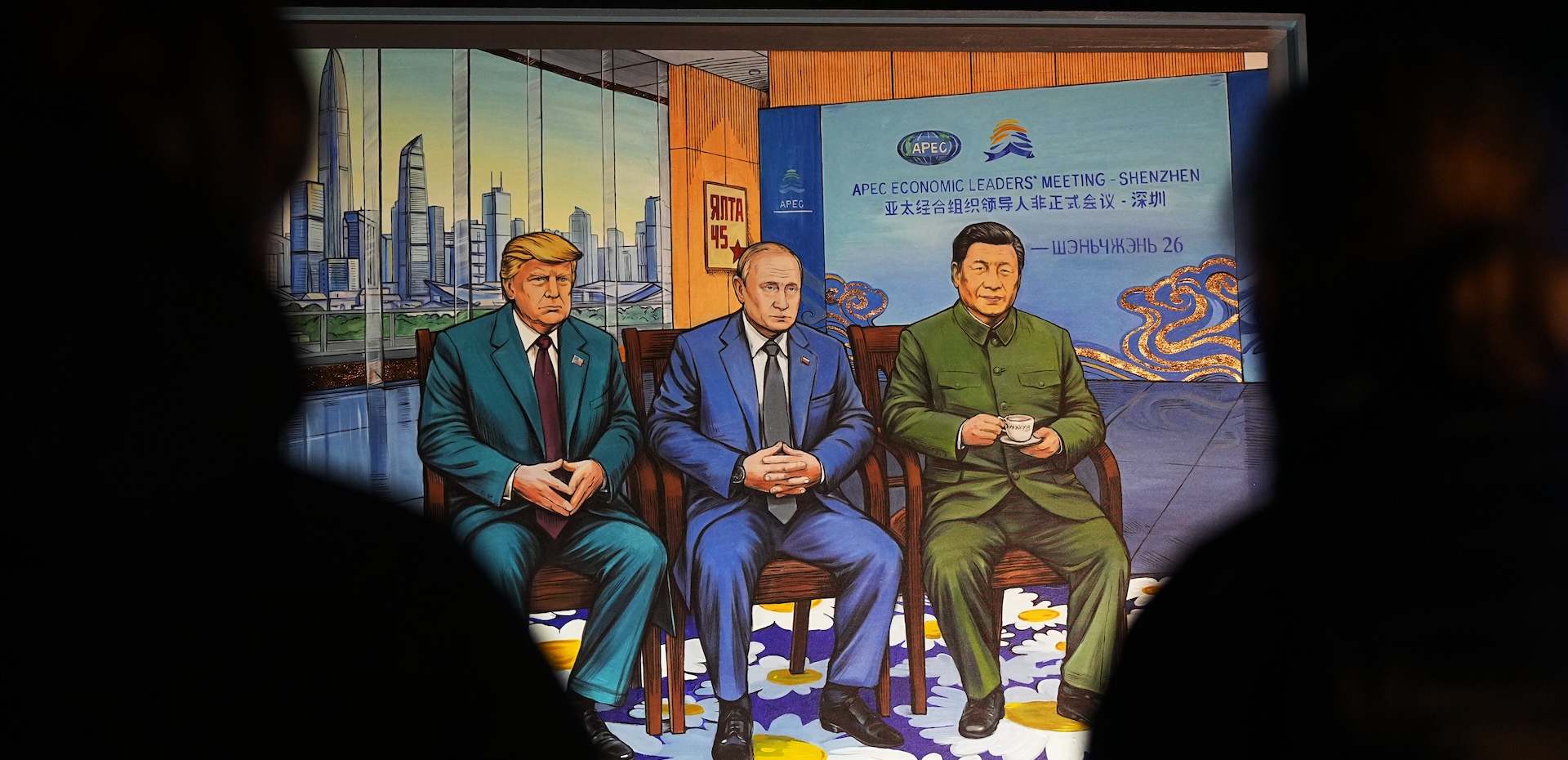
China has acknowledged discussions over a possible trilateral meeting between Xi Jinping, Donald Trump and Vladimir Putin on the sidelines of November’s APEC summit in Shenzhen. Yet Beijing’s position is not straightforward. On the one hand, the meeting could showcase China’s ability to bring Washington and Moscow together. On the other hand, it could create expectations of agreements which Beijing cannot deliver. The question is therefore how much control China would retain over a trilateral meeting and what it could hope to gain.
Three leaders, three objectives
The three governments approach the possible trilateral meeting with different objectives. For Moscow, its value lies primarily in the publicity it would create: a joint appearance with the US and Chinese leaders would reinforce Russia’s claim to a place among the superpowers. Even without an agreement, the meeting could be presented as a diplomatic achievement.
Washington is seeking more concrete results. Trump has identified nuclear arms control as a possible subject for three-way discussions. The United States wants China to join negotiations that have traditionally involved Washington and Moscow. Beijing, however, has previously argued that its much smaller nuclear arsenal makes trilateral disarmament negotiations premature.
China’s priorities lie elsewhere. As APEC host, Beijing wants to promote openness, innovation, and cooperation, including in areas such as regional trade integration, supply chains, and digital development. It has invested substantial diplomatic resources in this agenda. A high-profile trilateral meeting could overshadow what China wants the APEC summit to showcase. The problem is one of diplomatic opportunity costs: a summit dedicated to China’s preferred economic themes could be remembered chiefly for a separate encounter, focused on geopolitical issues, over which Beijing has less control and in which it has little to gain.
Why Beijing wants a controlled format
Bringing the US and Russian presidents together on Chinese soil could offer Xi diplomatic visibility and demonstrate Beijing’s convening power. But the benefit is largely symbolic unless the three sides agree in advance on what the meeting should achieve.
The format has therefore become the most important part of the negotiation. According to a Wall Street Journal report, Beijing is willing to host a trilateral meeting if the agenda and outcome are agreed beforehand. It reportedly prefers prepared statements and limited spontaneous discussion, while the Trump administration wants a more open exchange. The same report says Beijing would otherwise favour separate bilateral meetings. The US and China also have pressing bilateral issues – tariffs, technology restrictions, and critical materials – that Russia’s presence would do little to resolve.
This preference is consistent with Beijing’s broader calculations. A tightly managed encounter could produce the image of three major powers in dialogue while limiting the risk of unexpected developments. It would also help to keep the trilateral event subordinate to APEC, rather than allowing a dispute over nuclear weapons or some other issue to dominate the summit.
Yet the tighter the script, the harder it becomes for Washington to present the meeting as a venue for substantive negotiations. This reveals competing ideas of what a summit is for: Washington wants room to negotiate, while Beijing appears to want clarity about the outcome before Putin, Trump and Xi enter the room, and the Kremlin wants nothing but a joint photo.
Ukraine is not on the table
China has signalled its discomfort with making an end to the war in Ukraine the purpose of the meeting. Following talks with Xi in October, German President Frank-Walter Steinmeier said that the Chinese leader had shown little interest in a US-Russia-China discussion of the war and had emphasised its European dimension. This is Steinmeier’s characterisation of the conversation, rather than a detailed Chinese public statement. It is nevertheless consistent with Beijing’s longstanding reluctance to take responsibility for a peace settlement.
In February 2023, China issued a twelve-point position paper calling for, among other things, respect for every country’s sovereignty and territorial integrity, consideration of all sides’ security concerns, an end to hostilities and renewed peace talks. Beijing’s support for these core principles has remained broadly consistent. At the same time, it has maintained close ties with Moscow and has supported dialogue without committing itself to acting as a guarantor should an agreement be reached.
A trilateral meeting can provide a forum for dialogue, encourage continued contacts, and offer Moscow and Washington an opportunity to discuss Ukraine. But it cannot be a substitute for peace talks with Ukrainian consent or European participation, and neither can it guarantee that Russia and the United States will honour an understanding whose implementation depends on other actors. A vague declaration by the three leaders could deliver the optics of a historic bargain while leaving the underlying conflict unresolved. For Beijing, being associated with such an unstable outcome would carry reputational costs without a clear strategic return.
Beijing wants diplomatic prestige without an open-ended obligation to mediate, enforce or defend an agreement. This explains why China has little reason for haste. If the event goes ahead on terms which Beijing can shape, China could claim the prestige of convening a rare encounter between the leaders of the world’s major powers. If it produces no meaningful result, however, Beijing would have little incentive to let it eclipse the APEC agenda. The safest outcome for China would be one in which the three-way meeting remains a carefully controlled diplomatic gesture.
Further reading: For a broader analysis of the political and economic ties between Russia and China, as well as their future development, see NEST Centre’s report ‘Marriage without Love: The Sino-Russian Partnership and What It Means for the World’.