Pragmatism for export: The Kremlin offers a vision of the post-war future
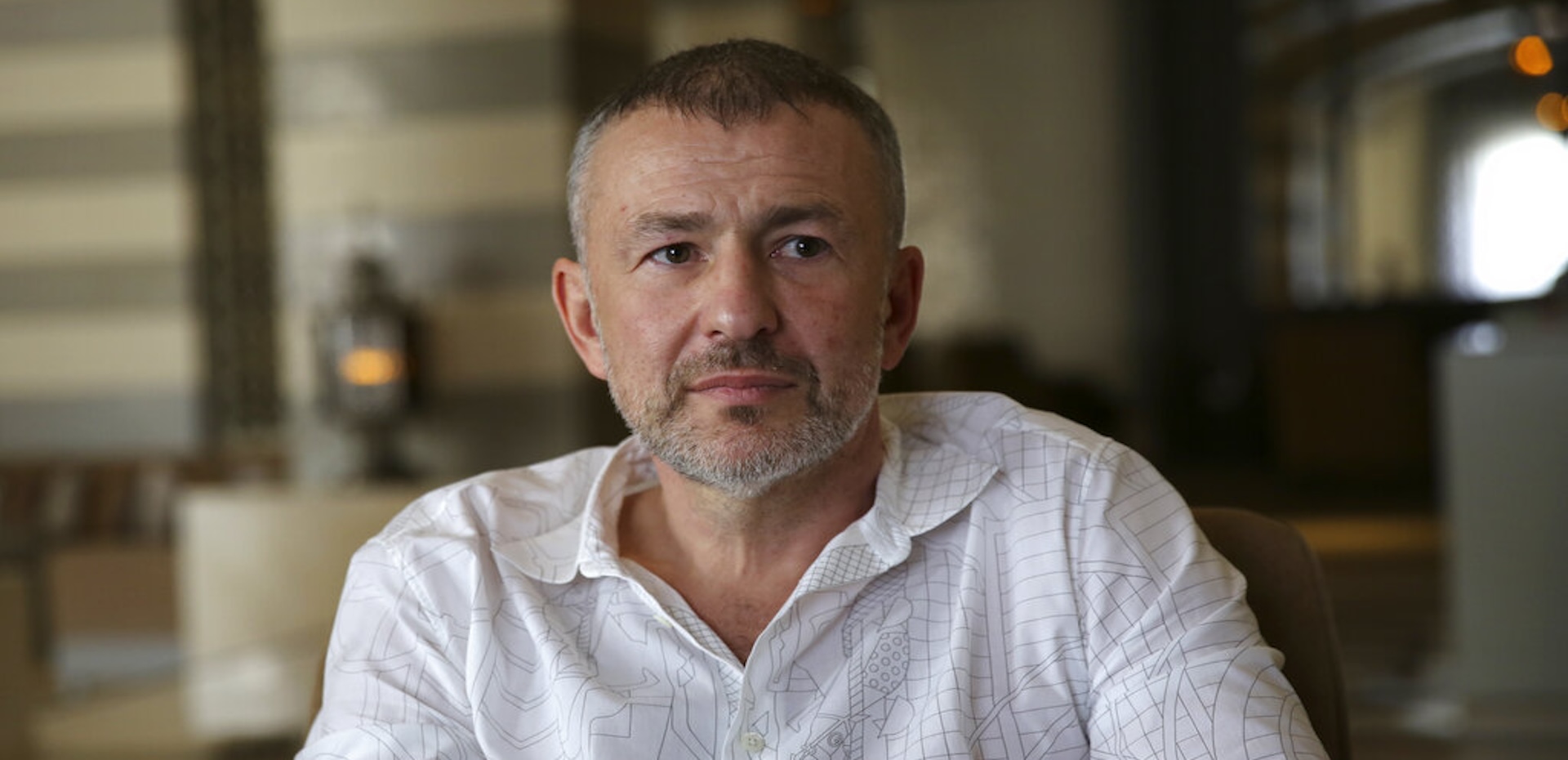
At the beginning of July, the Russian billionaire Andrey Melnichenko, the eighth wealthiest person in Russia according to Forbes, published an opinion piece in The Economist. The appearance of this article is significant. Melnichenko, whose companies EuroChem and SUEK generate around 1 per cent of Russia's GDP, is deeply integrated into the Putin regime. The article can be seen as an attempt by Moscow to initiate a discussion about the post-war future, addressed simultaneously to western countries and to Russia's domestic elites.
In his article, Melnichenko appeals to the long-term interests of western countries by raising questions about the future architecture of European security and Russia's role within it. His central argument is that preserving Russia's sovereignty and agency after the war in Ukraine is in the West's own interests, because only a stable state can be a predictable neighbour, whereas attempts to isolate or dismember Russia would create global risks. The article, which was most likely coordinated with the Russian Presidential Administration, indicates Moscow's readiness for a pragmatic dialogue on the condition that the country's authoritarian regime is preserved and that Russia retains the right to intervene in its neighbours’ political decision-making.
Domestically, this message serves as a gesture towards big business and the technocratic elite, whose autonomy has been steadily narrowing under pressure from the security establishment and amid the large-scale nationalisation of assets. Against this backdrop, billionaires, including those close to Putin, have begun moving their assets abroad. This trend has become particularly pronounced in recent months, with business figures increasing their investments in cryptocurrencies, overseas real estate, and private investment funds. According to Bloomberg estimates, tens of billions of US dollars left Russia in 2026, primarily through cryptocurrency-related transfers.
Melnichenko's message is intended to alleviate concern within the business community. It signals that the state still sees private capital as the driving force of the economy and does not intend to return to Soviet-era practices or to redistribute assets.
The extensive media coverage of Vladimir Putin's meeting on July 15th with Vladimir Potanin, the principal owner of Norilsk Nickel, should be interpreted in the same context. The meeting emphasised the technological adaptation of large industrial enterprises, their reorientation towards new markets, and the growth of domestic consumption. It was primarily a demonstration of the authorities' willingness to engage with big business and include it in discussions about the country's future.
These attempts to promote a positive vision of the future are contradicted by signals from other political figures. Displays of readiness for compromise and support for entrepreneurship contrast with criminal cases against associates of Russia's most prominent business figures, the redistribution of assets, and rumours of imminent restrictions on leaving the country related to a new wave of mobilisation. The defining feature of the current moment is that the Kremlin is simultaneously testing mechanisms for external de-escalation while reminding domestic elites that they will have to submit to increasingly restrictive wartime conditions.