Questions by Ben Noble, responses by Nikolai Petrov.
Ukraine has intensified its campaign of long-range strikes inside Russia, targeting oil refineries and other infrastructure far from the front line. When we spoke in September, you highlighted the growing impact of Ukrainian strikes deep inside Russia, including logistical disruptions and fuel shortages. How has the situation developed since then? Which consequences are proving most significant inside Russia?
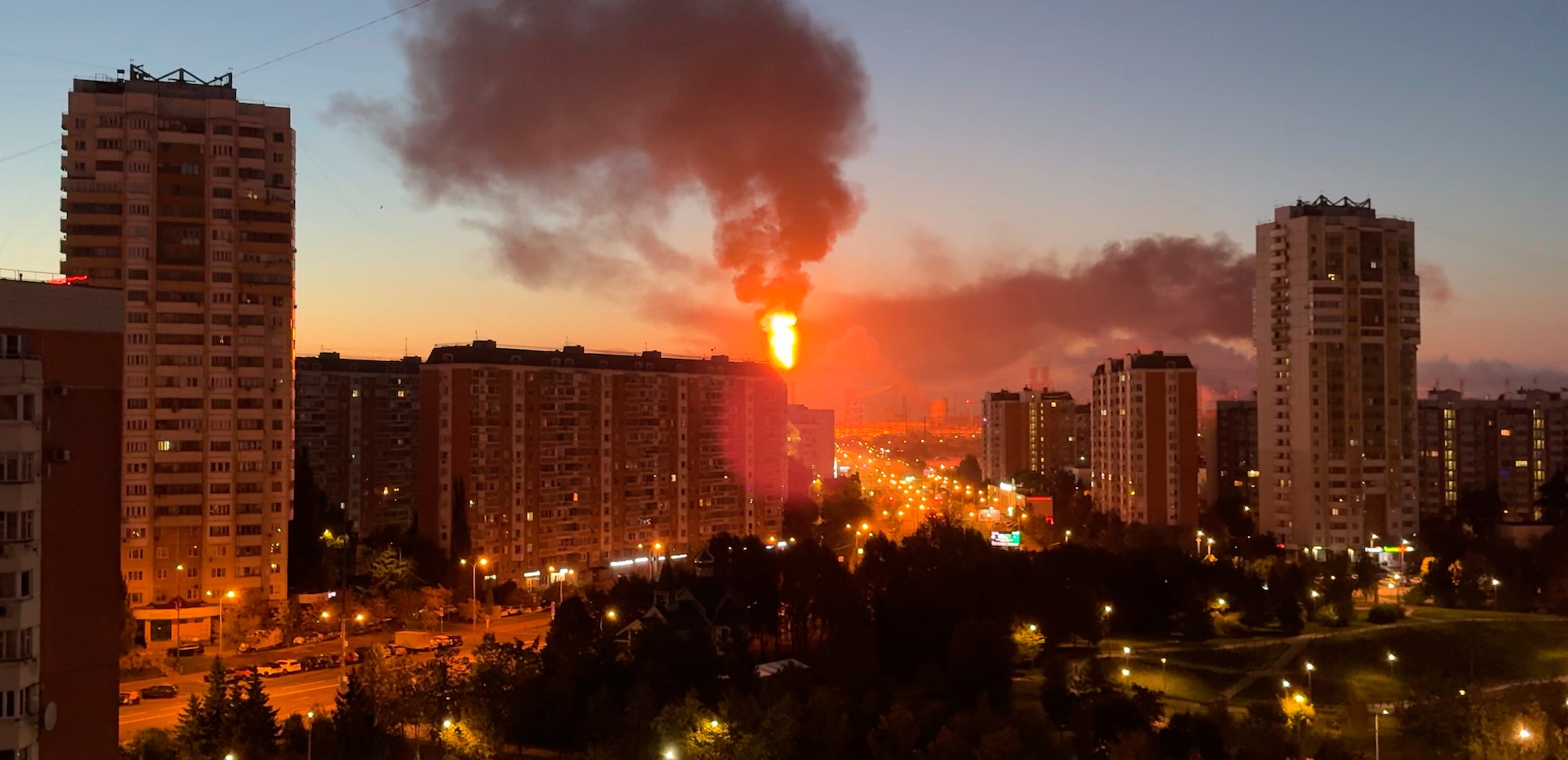
In October and November, Ukrainian forces continued to attack logistics facilities and launched a major series of strikes against data centres and oil refineries.
According to energy analyst Sergei Vakulenko, 11 refineries were hit in the first two weeks of November, including eight of Russia’s ten largest refineries. Several were targeted simultaneously. Together, these refineries account for approximately 55 per cent of Russia’s petrol production, although the extent to which their operations have been disrupted remains unclear.
So far, the latest attacks have not led to widespread queues at petrol stations, like those seen after previous attacks, although some restrictions on fuel sales have already been reported. Nevertheless, Russian oil refining is facing its most serious disruption since the beginning of the war.
The significance of these attacks goes beyond the immediate economic damage. They are making an increasing number of Russians experience the consequences of the war in their daily lives.
According to the Public Opinion Foundation (FOM), since May, Ukrainian strikes on Russian infrastructure have been mentioned more frequently than developments on the front line when respondents are asked to identify the most important news stories of the week.
Public frustration is growing. Some of this anger is directed at Ukraine, which is increasingly perceived as a direct threat. But Russian companies and the authorities also face criticism for failing to protect property and data or to ensure the uninterrupted provision of essential services.
In March, you argued that experiencing the consequences of the war did not necessarily make Russians more opposed to it. Is that assessment still holding as Ukrainian strikes intensify? Who do people blame when the war disrupts their everyday lives?
There are two competing effects on public attitudes.
On the one hand, everyday disruptions and restrictions generate frustration, including among those who otherwise support the authorities.
On the other hand, direct exposure to danger can strengthen support for the authorities and for the war.
Among Russians who have personally witnessed shelling, destruction, injuries, or deaths, around 60 per cent would not support a decision by Putin to withdraw Russian troops and begin peace negotiations. Among those who have not witnessed such events, the figure is 44 per cent.
There is also little evidence of a broader deterioration in the public mood.
According to a Levada Centre survey conducted in late October, three-fifths of Russians believe the country is heading in the right direction. This proportion increased steadily between July and September and remained unchanged in October. Only around a quarter believe the country is heading in the wrong direction.
How are regional governors responding to these pressures? Do they have the resources and authority to deal with the consequences of Ukrainian strikes, or are we seeing tensions with Moscow over who should take responsibility?
Dealing with the aftermath of Ukrainian strikes is becoming a permanent responsibility for regional authorities across much of Russia. What was once an emergency task for a handful of governors in border regions is now part of routine regional governance.
Moscow provides financial assistance, regulatory support, and access to federal resources, including special programmes for affected businesses. But the federal budget covers only some of the costs. Much of the financial and organisational burden falls on regional authorities, businesses, and ordinary Russians.
In border regions, governors now oversee permanent emergency management systems. They are responsible for evacuations, rebuilding damaged housing, maintaining essential services, and providing compensation and support to affected businesses.
Further from the border, governors coordinate recovery efforts following individual strikes, working with the Ministry of Emergency Situations, municipal authorities, and businesses. Air defence, however, remains primarily a federal responsibility.
This creates a fundamental problem for regional leaders.
Their responsibilities are expanding, but their powers are not. Governors are held accountable for the effects of Ukrainian attacks, even though they have little control over the armed forces and security services, which are responsible for preventing them.
In effect, the public judges regional authorities partly on the performance of federal institutions.
Businesses are also being drawn more deeply into regional security arrangements. Industrial enterprises, energy companies, warehouse operators, and utility providers are increasingly expected to help maintain essential services and infrastructure. They must balance their commercial interests against security requirements.
Putin’s decree of 24 August 2026 is particularly significant in this regard. It allows the government to take over the management of critical infrastructure facilities whose owners fail to implement adequate security measures. The decree covers sectors including energy, industry, communications, utilities, transport, and logistics.
The growing military threat is therefore also giving the state greater scope to intervene in regional business activities.
What does this mean for Vladimir Putin’s position? Can the Kremlin continue to absorb these attacks and their consequences as part of wartime life, or might they change calculations within the elite about the costs of continuing the war?
Successful Ukrainian strikes inside Russia have substantially increased the costs of the war for Moscow over the past few months.
At the same time, the Kremlin appears to be counting on the autumn–winter campaign to produce a decisive shift in Russia’s favour in the ongoing war of attrition.
If that shift does not materialise, continuing – and intensifying – the war will become an ever greater burden for Putin.
This could push him towards further escalation, either by widening the conflict or by heightening its intensity.
Widening the conflict could involve moving beyond hybrid operations on NATO countries’ territory to limited military action against NATO.
Alternatively, Putin could seek to raise the stakes through overt preparations for nuclear weapons use, or even the actual use of nuclear weapons.
Neither outcome is inevitable. But as the costs of continuing the war increase, the pressure on Putin to change his approach will also grow.