The US and Israeli military operation against Iran, which has escalated into a large-scale conflict in the Middle East, brings Russia short-term economic and political dividends and raises its status in global politics. Against the backdrop of a crisis that has exposed vulnerabilities in the global economy, the country’s geographical position and resource base take on particular importance. The Kremlin will attempt to use this situation to re-establish itself in the great game. However, if a diplomatic resolution of the crisis is delayed, the leading economies may slide into recession, which would deal a blow to the Russian economy.
A short war and economic dividends
The Kremlin considers the most realistic and advantageous scenario to be one in which the US/Israeli war against Iran lasts no more than two months. This timeframe would bring Russia maximum political and economic dividends, while not significantly affecting its position in the region.
The economic benefits of a short-term conflict are primarily linked to rising global hydrocarbon prices. Oil prices on global markets are rising rapidly, while the closure of the Strait of Hormuz is increasing demand for Russian oil. Before the war in Iran, Russian oil was sold with a significant discount to global prices (the average price in February was $44.6 per barrel). That discount has now almost disappeared, and at times, Russian oil is sold at a higher price than Middle Eastern oil. An increase of $10 per barrel in the price of export oil brings the Russian budget $1.1–1.2 billion per month. However, due to the specifics of Russia’s tax system, these additional revenues will begin to enter the budget only at the end of April.
A significant positive effect will appear only if high oil prices persist for several months. This would allow the Kremlin to receive additional revenues of around 1.5 per cent of GDP by the end of the year and to bring the budget deficit under control, which increased rapidly in the first two months of the year.
The energy crisis may also lead to a softening of sanctions against Russia. The United States has already lifted sanctions imposed on India for purchasing Russian oil and has issued a 30-day permit allowing the delivery and sale of Russian oil at sea. Hungary has proposed that the European Commission lift the ban on imports of Russian oil and gas. If the blockade of the Strait of Hormuz continues, other countries may follow.
Consequences for the war in Ukraine
The more problems the United States and its allies face in other regions, the more intense the competition for the same military resources becomes, including between Ukraine and Washington’s other partners. Ukraine, countries in the Middle East, and US allies in Asia are in practice competing for a limited pool of air defence systems, artillery, and ammunition. This is already visible in practice. The United States has begun redeploying military resources from South Korea, including artillery batteries and air defence systems, for deployment in countries that are facing attacks by Iranian drones.
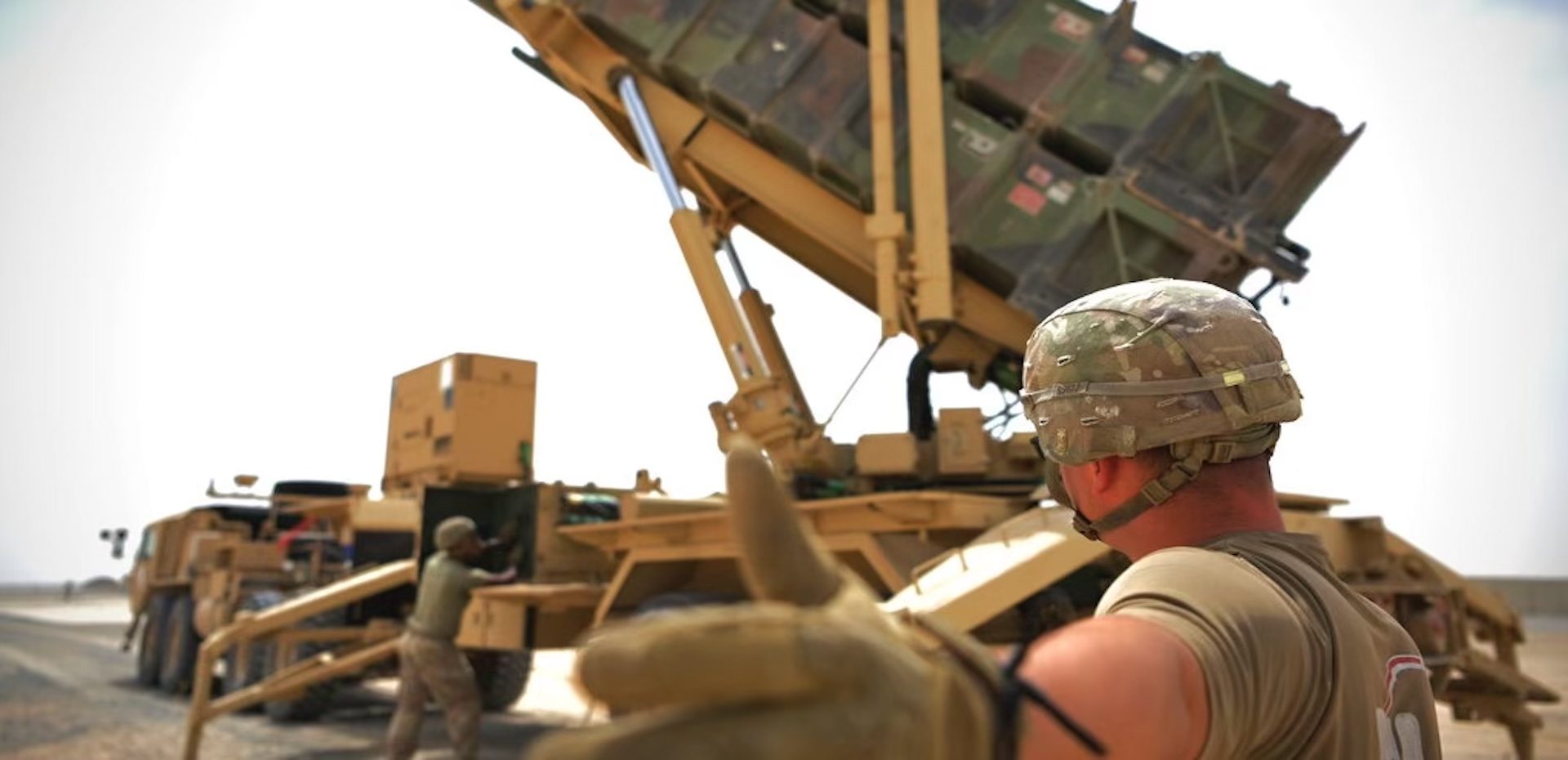
If the active phase of the war in the Persian Gulf continues, it may, for example, lead to a reduction in the supply of missiles for Patriot systems. These remain the only truly effective tool available to the Ukrainian military for intercepting Russian ballistic missiles. Over four years of war, Ukraine has received around 600 missiles for the Patriot system. In the first five days of the operation against Iran, the United States used more than 800.
From the Kremlin’s perspective, the current situation demonstrates the severe limitations of the Western coalition’s military capabilities and resources. It is also indicative that during the four years of war in Ukraine, the defence industries of NATO countries have still not created and deployed mass production of inexpensive counter-drone systems.
A further weakening of the Western coalition, resulting from conflicts between the United States and Europe, within the EU, and within individual countries, would also be an important advantage for Russia. Chaos and instability work in Russia’s favour, providing broad opportunities for tactical disruptive actions.
The great game
Over the past two decades, the Kremlin has consistently invested in developing relations with countries in the Middle East and the Persian Gulf.1 As a result, Moscow has built working – and in some cases partner – relations both with Iran and Syria, and with Israel and the key Arab monarchies, while attempting not to tie itself closely to any single regional centre of power.
In the current crisis, this strategy has become particularly visible. Despite the proclaimed ‘strategic partnership’ with Iran, Russia joined a UN Security Council resolution condemning Iranian military strikes against neighbouring countries and did not provide significant military assistance to Tehran. Instead, it limited itself to verbal condemnation of US-Israeli aggression and delivery of humanitarian aid.
However, this restraint allows the Kremlin to claim the role of a potential mediator in a diplomatic resolution of the conflict. Russia maintains channels of communication with both Iran and its regional opponents and with Washington. This makes it one of the few actors potentially acceptable to all sides, albeit with different levels of trust and expectations. It is indicative that President Trump considered it necessary to call Vladimir Putin personally. This signal underlines that Washington recognises Russia’s influence in the region.
Against the background of the conflict, Moscow will attempt to extract additional benefits by promoting projects for alternative logistics corridors for global trade.
The blockade of the Strait of Hormuz, through which around 20 per cent of global seaborne oil supplies pass, as well as significant volumes of LNG and fertilisers, has already disrupted established trade chains and forced many countries to search for stable alternative routes. The Kremlin is attempting to exploit this situation by promoting the Northern Sea Route (NSR) as an alternative corridor between Europe and Asia and the International North-South Transport Corridor (INSTC) as another alternative route for trade between Europe, the Middle East, and Asia. At the same time, Russia expects that prolonged instability in the Persian Gulf will prompt Beijing to resume discussions on the long-delayed Power of Siberia‑2 gas pipeline project, which would allow Moscow to strengthen its eastern energy exports while bypassing traditional routes.
The price of prolonged instability
It is in Russia’s interest that the active phase of the conflict in the Middle East does not last too long. A prolonged war carries more long-term risks for Moscow than benefits.
Financial gains from rising oil prices accrue only when the increase is moderate, as Russian oil companies’ ability to rapidly expand production is very limited. If oil prices exceed $120 per barrel, a recession in Europe and a halt to economic growth in the United States can be expected. This would reduce demand for all types of raw materials and would deal a serious blow to the Russian economy.
Prolonged instability in the region would also affect Russia’s strategic interests, above all, projects to develop transport corridors, construct nuclear power plants, and build other industrial facilities through which the Kremlin seeks to strengthen its position.
A deterioration in Iran’s financial position and the general weakening of the ayatollah regime may, in the long term, force the Kremlin to make a choice. It will either have to increase military and economic support for Tehran, effectively on a charitable basis, to avoid losing influence, or continue to distance itself from Iran, which, for some time, may become ‘untouchable’. In that case, Moscow would gradually have to accept reputational costs in the view of part of the Global South and a reduction of its presence in the region.
In addition, it is evident to Moscow that Ukraine also receives certain benefits from the war in the Gulf. Demand for experience in the use of drones, for the transfer of counter-drone technologies, and for the supply or joint production of systems for protection against drone attacks may provide Ukraine not only with significant commercial and political opportunities in the future, but also with the possibility of expanding its arsenal in the short term.
Finally, the inability of the White House to quickly find a diplomatic exit and the transformation of the conflict into a prolonged confrontation, in which Iran continues attacks on American bases and neighbouring countries, risk drawing the United States deeply into this theatre for a long time and making it a priority direction of foreign and defence policy. This would, on the one hand, reduce Washington’s attention to the Ukrainian direction and prolong the negotiation process. On the other hand, it would narrow Moscow’s room for manoeuvre if it were to use US pressure on Kyiv as a negotiating lever.
Endnotes
- One of the key actors in this sphere was Kirill Dmitriev, head of the Russian Direct Investment Fund and a representative of the President of Russia. ↩︎