The exchange of threats between Russia and Ukraine over the Victory Day ceasefire appeared to mark an escalation, but it may, in fact, signal movement in the opposite direction. Both sides are seeking opportunities to resume negotiations, deliberately raising the stakes to enter a potential peace process from a more advantageous position. The outcome should become clearer once the ceasefire ends.
Both Russia and Ukraine have long since ceased to benefit from the ongoing war of attrition. Advances on the front line remain minimal, while any change of strategy would require both sides to take unpopular and painful measures: large-scale mobilisation, more restrictive domestic policies, and rising economic costs. In such circumstances, a return to negotiations offers a way out of an obvious deadlock. The May ceasefire demonstrated that both sides are willing and able to reach agreements.
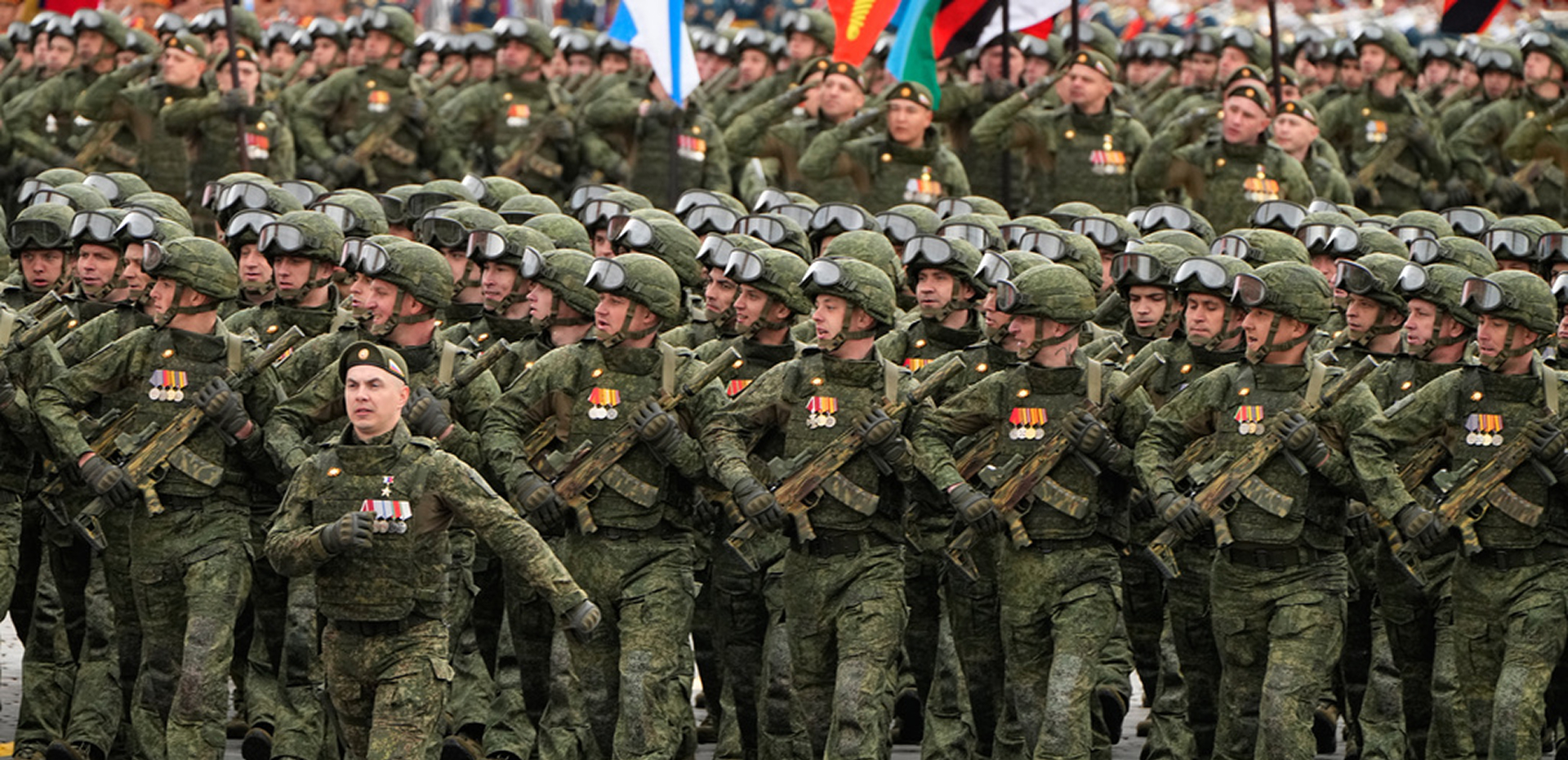
During a telephone conversation between Vladimir Putin and Donald Trump in late April, a proposal emerged to suspend hostilities on 8–9 May. For Putin, a ceasefire offered the chance to hold the annual Victory Day parade on Red Square, an event of enormous symbolic importance, without disruption. For Trump, it offered an opportunity to demonstrate that he has not forgotten the war and remains engaged in efforts to end it.
Volodymyr Zelensky could not reject Trump’s proposal, who had once again accused him of preventing peace in Ukraine. At the same time, he also could not endorse an idea which Putin claimed to have initiated. As a result, the Ukrainian side proposed a ceasefire beginning on 6 May instead, which Moscow rejected. Russia then threatened a strike on central Kyiv if Ukraine attempted to disrupt the 9 May celebrations. After that, the opposing sides continued military operations along the line of contact and exchanged large-scale airstrikes.
Ultimately, on 8 May, Trump announced that Russia and Ukraine had agreed to the three-day ceasefire he had proposed, running from 9 to 11 May, and to the exchange of 1,000 prisoners of war from each side. Volodymyr Zelensky added an ironic final note by issuing a decree that permitted Russia to hold the Victory Day parade in Moscow and excluded Red Square from the Ukrainian armed forces’ list of targets.
As a result of this duel of ultimatums, both sides obtained what they wanted. Putin held the Victory Day parade without disruption, avoided an open clash with Trump’s de-escalation agenda, and was not forced to demonstrate how prepared Russia really was to carry out a strike of unprecedented size on Kyiv. Zelensky, for his part, demonstrated to Trump that he was capable of reaching agreements, secured consent for a larger prisoner exchange than had previously been proposed, and, through airstrikes on Moscow up until the evening of 8 May, showed that he had grounds to act as an equal party in any future negotiations.
Russia and Ukraine reported repeated violations of the ceasefire along the front line, but this did not lead to renewed escalation. On the contrary, both sides exchanged signals indicating their readiness to resume negotiations. Putin stated that he was prepared to involve Europe as a mediator. However, the figure he named as a preferred negotiator – the discredited former German Chancellor Gerhard Schröder – is a non-starter for Ukraine and its European allies. Zelensky, in turn, released a video address in which he noted Ukraine’s readiness to bring the war to an end but called for the world to put pressure on Russia to force it to negotiate.
How close the two sides have come to the start of a genuine peace process should become clear this week based on whether the exchange of 1,000 prisoners from each side takes place, whether dialogue continues after the ceasefire expires on 11 May, and whether the US or Europe can make a meaningful proposal for the next step.