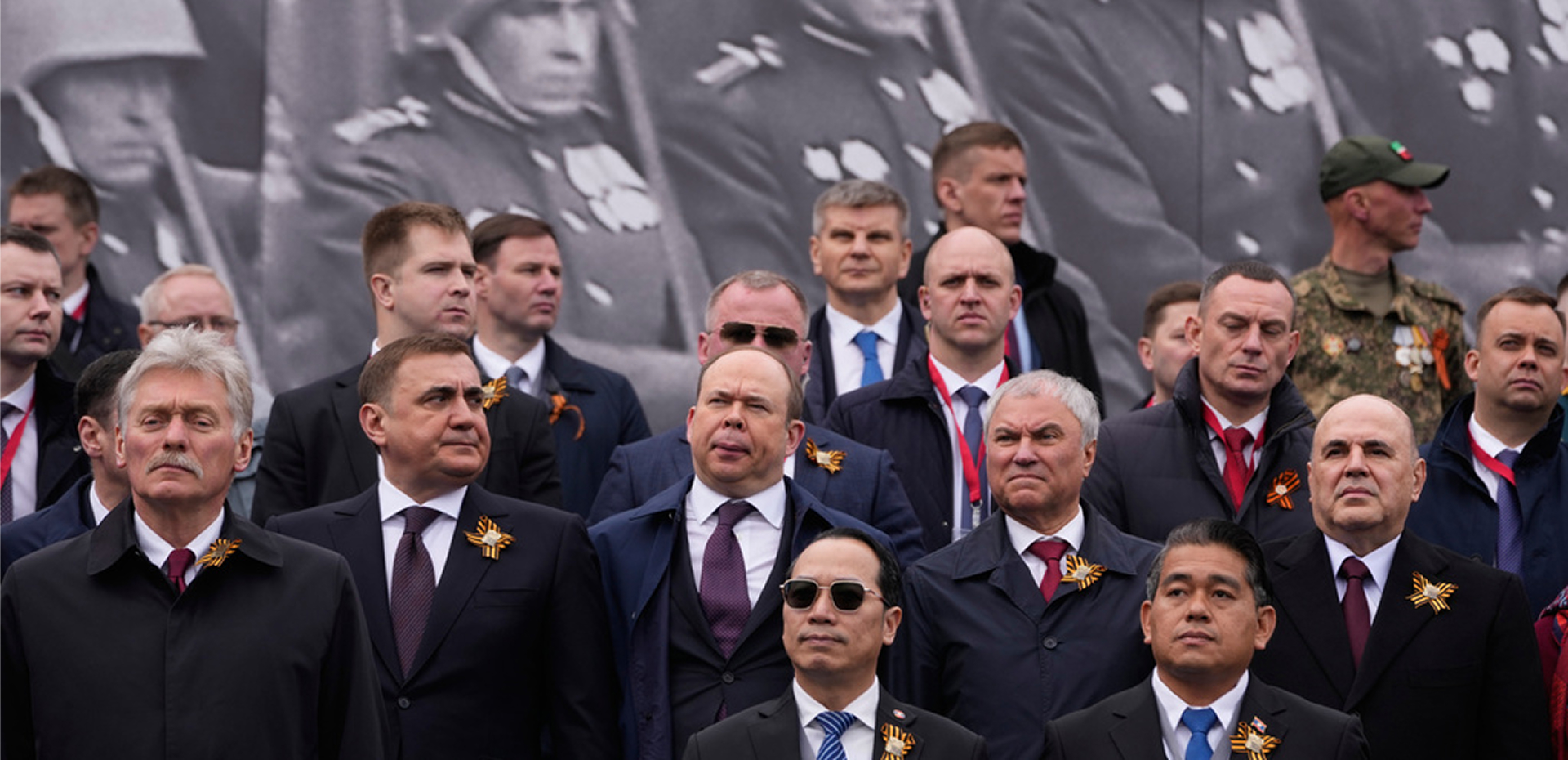
In September 2026, Russia will hold elections to the State Duma – the first since the start of the full-scale invasion of Ukraine. In conditions of wartime censorship and mounting pressure from the security services, the elections can hardly be described as competitive. However, they will serve as an important stress test: the Kremlin will use them to assess the effectiveness of regional bureaucracies, evaluate elite loyalty, and reaffirm the manageability of the political system. At the same time, the new parliament will have particular significance in light of the gradual transformation of the Putin regime ahead of the 2030 presidential election and the growing likelihood that Putin will lose power in the not-so-distant future due to natural ageing.
The ninth State Duma will hold office during a period of transition. There is a high probability that its term will coincide with key personnel changes in Russia’s leadership – either a significant transformation of the current regime related to the 2030 presidential election, or Vladimir Putin’s departure from office for health reasons (he will turn 74 in October). Under these circumstances, the State Duma Speaker will be an important political figure, while the Duma itself may become either a driver of reform or a barrier to it. For this reason, the election campaign has substantial long-term political significance.
The launch of the campaign has coincided with rising instability across Russia. Ukrainian drone attacks on Moscow and other regions have become more frequent, striking a growing number of industrial and infrastructure targets. These attacks have also dealt a severe blow to Russian supply routes to Crimea, while Ukraine has signalled its intention to continue these operations. At the same time, Russia is facing an economic slowdown and increasing restrictions on internet access.
The war is exerting an ever greater impact on citizens’ daily lives, violating the implicit social contract between the public and the Kremlin. At the same time, elections no longer offer a political safety valve: there is no legal political party capable of channelling public discontent.
The electoral cycle is unfolding amid intense intra-elite conflict. The principal struggle within the state bureaucracy is between Sergei Kiriyenko, the Kremlin official responsible for domestic policy, and the Federal Security Service (FSB). In the run-up to the elections, the Presidential Administration attempted to moderate the security services’ most radical plans to assume control over the internet. Nevertheless, they were granted unprecedented freedom of action and continued to impose internet restrictions, triggering a wave of public criticism.
The shift in the balance of power in favour of the FSB has extended well beyond the internet. One of the clearest signs of the growing influence of the security services has been unprecedented pressure on large businesses and the seizure of assets from some of Russia’s wealthiest entrepreneurs, including Vadim Moshkovich (Rusagro), Dmitry Kamenshchik (Domodedovo Airport), and Konstantin Strukov (Yuzhuralzoloto).
The latest and most notable example is the arrest of the influential St Petersburg businessman Ilya Traber, a figure from the criminal underworld with whom Putin partnered while building his career in the early 1990s. It was from Traber’s businesses that Alexei Miller and Alexander Dyukov – the current heads of Gazprom and Gazprom Neft – joined what became known as ‘Putin’s team’. The fact that Traber controls the key oil export ports on the Baltic Sea – Primorsk and Ust-Luga – only underscores the significance of his arrest, which would be possible only with Putin’s personal approval. There are no longer any untouchable figures within Russia’s elite.
Another important feature of the current campaign is the pervasive fear among elites of the open political debate that traditionally accompanies an election period. In today’s Russia, criticism of the conduct of the war or of the government’s management of the economy can lead to criminal prosecution. The systemic opposition – represented by the Communist Party (KPRF), A Just Russia – For Truth, the Liberal Democratic Party (LDPR), and New People – has completely avoided sensitive issues, shifting its focus instead to politically safe topics such as housing and utilities reform, traffic enforcement cameras, and school curricula. This is unlikely to satisfy public demand for political discussion, as Russian society is increasingly unable to ignore the war’s consequences.
Intense competition between ‘clans’ within the security services and the bureaucracy, and strict censorship amid ongoing strikes on Russia’s rear areas, are fueling uncertainty among the elite over how to manage the election campaign. The rising stakes and the potentially important role of the next State Duma in the reshaping of the Putin regime may, in turn, significantly intensify intra-elite conflict.