Drone and missile strikes by the Ukrainian Armed Forces against civilian and industrial infrastructure have accelerated the transformation of the Putin regime. Previously, it was characterised by an informal social contract under which military operations had little effect on Russians’ everyday lives. The population was required only to demonstrate passive loyalty, which is characteristic of authoritarian regimes. At the same time, the war was fought through attrition, primarily on Ukrainian territory.
By the spring of 2026, however, it had become clear that the war could not be won in this way, due in particular to the failure of Russia’s spring–summer offensive. Regular attacks on Russian oil refineries triggered fuel shortages, while strikes on the logistics hubs of the country’s largest online marketplace, Wildberries, caused losses for tens of thousands of small and medium-sized enterprises. Everyday life in Russia’s largest cities was disrupted by the war. This is clearly reflected in surveys measuring anxiety levels and in the consumer activity index, both of which reached their worst levels since the military mobilisation of 2022.
Under these conditions, the Kremlin will almost certainly have to resort to more coercive measures in order to mobilise society and the elite in support of the war effort, and to preserve the status quo.
One of the principal challenges for the Kremlin is the forthcoming State Duma election – the first since the start of the full-scale invasion of Ukraine. Although elections in today’s Russia are not competitive, they serve to demonstrate the Kremlin’s control over Russian politics, and are a means of demonstrating that society is united around the current regime, i.e. that people are willing to sacrifice their comfort in pursuit of its objectives. Against the backdrop of deteriorating public sentiment and declining approval ratings for the authorities, demonstrating such a consensus will be difficult.
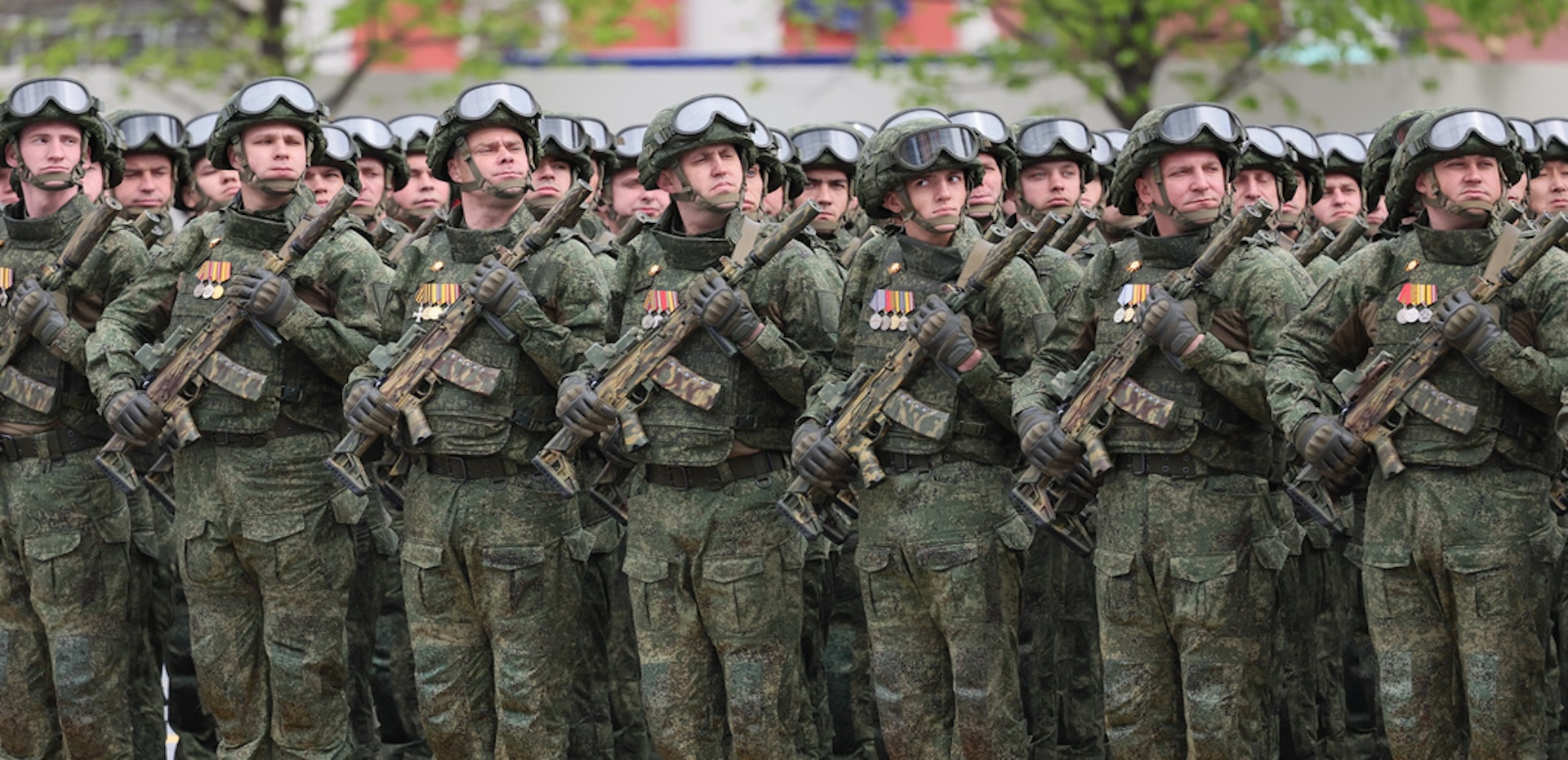
The need to demonstrate a strong public consensus is driven, in part, by the possibility that the Kremlin may resort to unpopular measures in the autumn of 2026, such as a new large-scale military mobilisation. According to Ukrainian data, Russia’s current battlefield losses exceed the rate at which volunteers are being recruited. At the same time, further indications of a forthcoming recruitment campaign have emerged. For example, Russia’s most popular job search platform, HeadHunter, has published thousands of vacancies for specialists responsible for military mobilisation records.
At the same time, covert mobilisation has continued unabated, with regional authorities still conducting raids targeting men of conscription age. Russia has also established extensive digital infrastructure to support mobilisation. The electronic register of persons liable for military service allows the authorities to automatically prohibit individuals from leaving the country, and to restrict their right to drive or conduct real estate transactions, immediately after a draft notice is issued through the system. The previous wave of mobilisation was a painful shock for Russian society. In order to recruit a large number of additional soldiers, the Kremlin will have to adopt more coercive measures to control the public’s reaction.
The continuation of the war will also require the mobilisation of resources from the business elite. In the new political order, the Kremlin expects entrepreneurs not only to remain loyal and keep their capital within the country, but also to provide direct financial support for defence programmes and to produce equipment for the armed forces. This creates additional risks for businesses.
A notable example is EFKO, Russia’s largest producer of oil and fat products. In 2021, it launched the drone start-up Future Transport, which subsequently became a separate company. The S‑80 agricultural drone which it developed was used extensively on the battlefield in Ukraine, but it was criticised by both the Russian military and the Minister of Defence. In May 2026, the company’s former Chief Executive Officer, Yury Kozarenko, was arrested on charges of large-scale fraud. In July 2026, senior executives from EFKO, including Valery Kustov (ranked 144th in the 2026 Russian Forbes list), were also detained.
Recognising the growing risks and increasing pressure from the authorities, major businesses are accelerating the transfer of their assets abroad, relying primarily on cryptocurrency-based instruments and private investment funds.
Increasingly aggressive rhetoric, new repressive legislation, moves to put the economy on a war footing, and the prospect of a new wave of military mobilisation all indicate that the Kremlin is not planning to de-escalate the war and is instead preparing for a prolonged confrontation. Increasing political and economic pressure will inevitably drive many of the country’s most educated citizens, along with their money, out of Russia.
In these circumstances, it is important for the international community to learn from the experience of recent years. Visa restrictions and financial barriers imposed by Western countries on those seeking to emigrate do not weaken the regime. On the contrary, they help it to remain in power. The creation of channels for the movement of both people and assets could help to reduce the Kremlin’s mobilisation capacity and its financial resilience.